

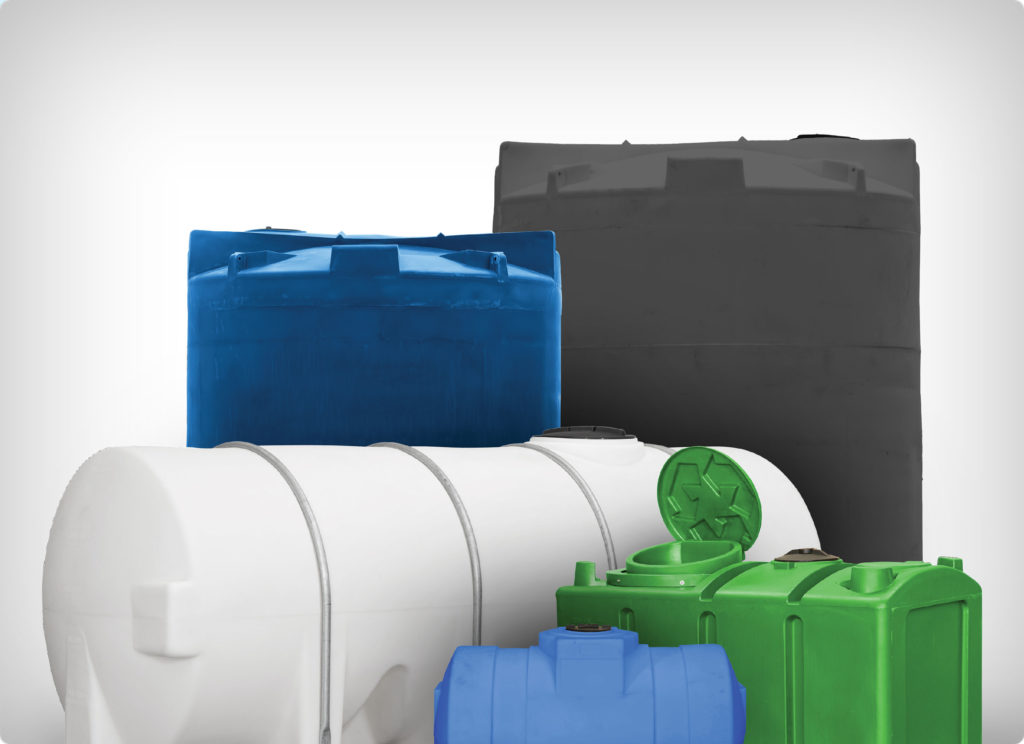
Plastic materials rotomolding, also called rotational molding, is really a adaptable manufacturing method that gives numerous positive aspects, specifically in changes. From sophisticated patterns to assorted styles and sizes, rotomolding provides for the production of highly customized plastic material items. Let's explore the important thing features of plastics rotomolding in personalization:
1. Layout Versatility:
One of the more considerable advantages of rotomolding is its unequalled layout overall flexibility. In contrast to standard molding strategies, like injections molding, which in turn have constraints on shape and layout difficulty, rotomolding can allow for an array of style capabilities. This versatility allows manufacturers to produce highly tailored products tailored to distinct requirements and preferences. Regardless of whether it's complex geometries, undercuts, or sophisticated shape, rotomolding enables the understanding of virtually any style strategy.
2. Expense-Usefulness:
Rotomolding is actually a cost-effective producing procedure, particularly for low to medium sized amount creation works. As opposed to other methods which may require expensive molds or tooling, rotomolding employs relatively easy molds created from low-cost resources for example aluminium or manufactured stainlesss steel. This will make it a great selection for personalized jobs with special models or limited creation volumes. Additionally, the absence of intricate tooling minimizes upfront costs and steer periods, making rotomolding a financially feasible choice for customized plastic-type products.
3. Easy Integration of Features:
Rotomolding facilitates the easy incorporation of diverse features in to a individual product or service, improving functionality and satisfaction. From incorporating inserts, reinforcements, and several fabric tiers to planning sophisticated geometries with various wall thicknesses, rotomolding permits the incorporation of diverse capabilities without reducing structural integrity. This ability is specially helpful for tailored goods that call for particular functionalities or efficiency qualities.
4. Substance Overall flexibility:
Another benefit of plastic materials rotomolding is its compatibility with an array of supplies, such as polyethylene, PVC, nylon, and a lot more. This material flexibility permits manufacturers to choose the most suitable resin for each application based on elements like strength, sturdiness, compound amount of resistance, and beauty. Regardless of if the condition is perfect for foods-class storage units, outdoor furniture, or industrial elements, rotomolding permits modification using the suitable substance to satisfy efficiency and regulatory requirements.
5. Scalability and Uniformity:
Despite its suitability for low to moderate volume level production, rotomolding provides scalability without limiting product persistence. This process makes certain consistent wall surface fullness submission, minimizing variations in sizes and mechanized qualities across multiple units. This persistence is crucial for custom made merchandise, in which accuracy and reliability are critical. Whether creating a tiny batch or scaling up for larger sized requests, rotomolding delivers constant high quality, meeting the needs of tailored programs.
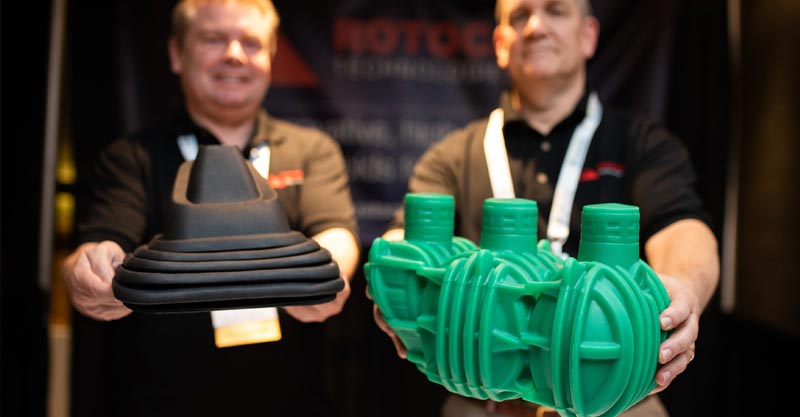
To conclude, plastic materials rotomolding gives an array of benefits in modification, making it an ideal selection for companies wanting to produce designed plastic-type items. Using its layout versatility, cost-effectiveness, effortless integration of features, fabric adaptability, scalability, and consistency, rotomolding delivers the capabilities needed to recognize exclusive and impressive patterns across numerous sectors.
For more details please click on this particular link Rotomolding.